




We Are Here to Hear and Heal Your Health Problems
Lorem ipsum dolor sit amet, consectetur adipiscing elit. Ut elit tellus, luctus nec ullamcorper mattis, pulvinar dapibus leo.
Welcome to Manas Clinic
Compassionate Care, Trusted Expertise
Across Australia, many people live with depression, PTSD and other conditions without finding the relief they deserve.
- Experienced Doctors
- Modern Facilities
- Patient-Centered Care
- Easy Appointment Scheduling
About DR Tarun Yadav
Compassionate Care, Trusted Expertise
Dr Tarun Yadav is a Fellow of the Royal Australian and New Zealand College of Psychiatrists (FRANZCP) with advanced training in Addiction Psychiatry. He offers comprehensive assessment and treatment for adults with mood, anxiety, trauma-related, and substance-use disorders, including complex presentations associated with workplace or service-related stress and injury.
Dr Yadav has expertise in Adult psychiatry, addiction psychiatry and Novel treatments. Dr Yadav works closely with GPs, rehabilitation physicians, insurers, and case managers to support recovery and return to function for DVA, WorkCover, police, ambulance, and emergency services personnel.
His clinic provides both routine psychiatric care and access to innovative treatment options, including Transcranial Magnetic Stimulation (TMS) and other novel neurostimulation therapies for treatment-resistant depression, PTSD, and addiction.
Working Together for Your Care
Mental health care is often most effective when the professionals involved work together. We also have an established professional and collaborative relationship with East Maitland Holistic psychology practice which is located just a couple of doors from our clinic. With your consent, our team can liaise with your psychologist to support coordinated psychological and psychiatric care, helping ensure that your treatment is comprehensive and tailored to your individual needs.
East Maitland Psychology is an independent practice from Manas Clinic. For more information about the psychology practice please visit east maitland holistic psychology
- Comprehensive psychiatric assessment and treatment
- WorkCover, DVA, and insurance-related mental health reports
- Second opinions and return-to-work support
- TMS and neurostimulation for treatment-resistant depression and trauma
- Addiction and comorbidity management
Who We See
The clinic supports adults aged 18 years and over, including:
- DVA clients and veterans
- Police, paramedics, and first responders
- WorkCover and insurance cases
- Individuals with mood, trauma, or substance-related conditions
- Clients seeking second opinions or complex case reviews
Treatments Offered
Our care model combines traditional and advanced psychiatric treatments:
- Comprehensive psychiatric assessment and diagnosis
- Medication management and psychological therapies
- Transcranial Magnetic Stimulation (TMS) for treatment-resistant depression, PTSD, and addiction
- Neurostimulation and other emerging therapies
- Integrated support for addiction and dual diagnosis
- Return-to-work and recovery-focused management
Our Services
Personalized Healthcare, Just for You

Transcranial Magnetic Stimulation
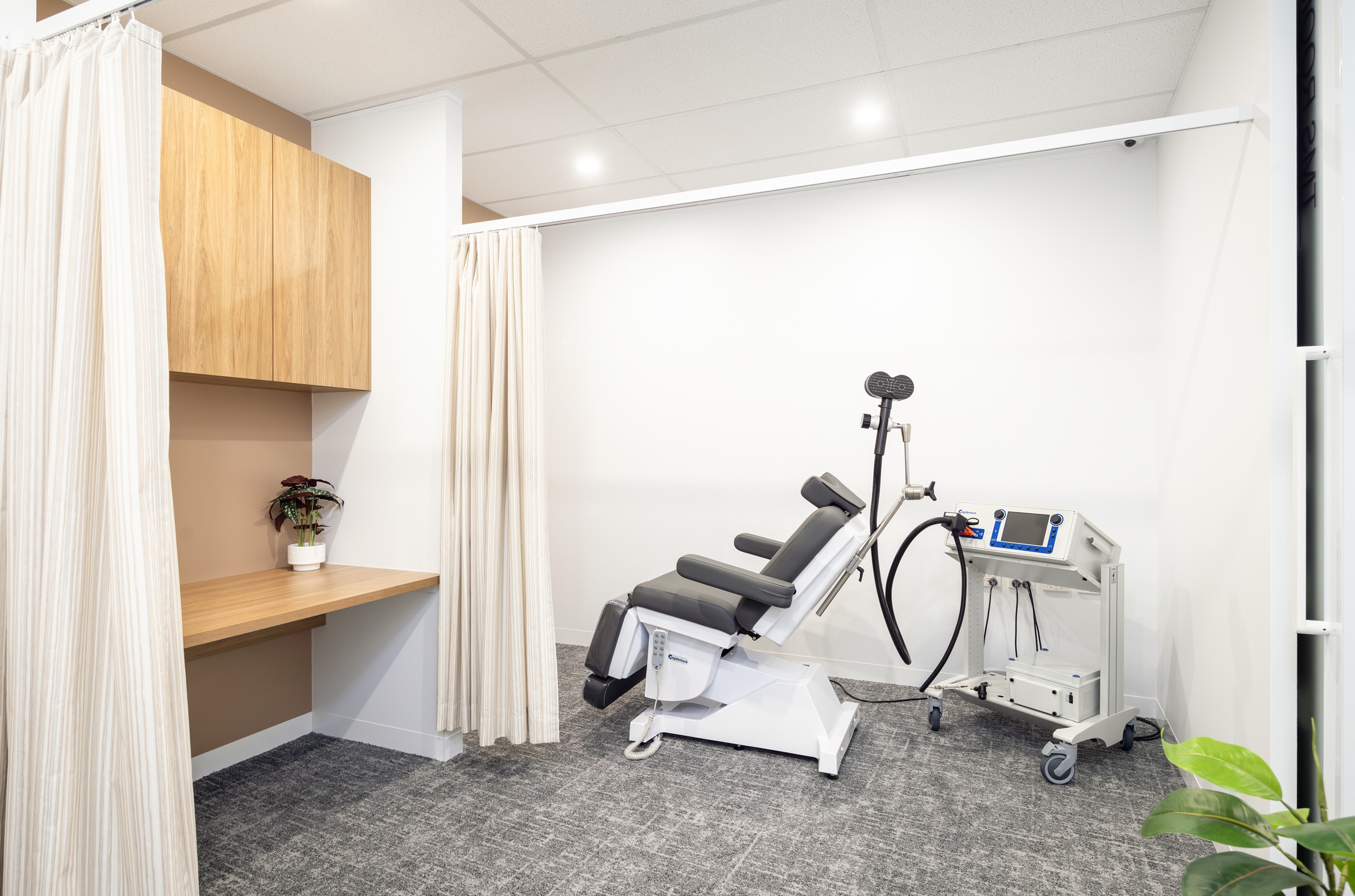
Transcranial Magnetic Stimulation (TMS) is a non-invasive, clinically proven therapy that uses magnetic pulses to stimulate specific regions of the brain associated with mood regulation. This treatment is particularly effective for individuals who have not responded adequately to traditional therapies such as medication or psychotherapy. TMS sessions are typically short, painless, and performed on an outpatient basis, helping patients experience improved mental clarity, mood stabilization, and overall wellbeing without the side effects commonly associated with medications.

Treatment for Depression
Depression is more than just feeling sad—it can impact thoughts, emotions, and daily functioning. Our approach combines evidence-based therapies, personalized care, and ongoing support to help patients overcome persistent low mood, regain motivation, and rebuild confidence. By addressing both the biological and psychological aspects of depression, we aim to provide long-term strategies for emotional resilience and overall mental health improvement.

Treatment for PTSD
Post-Traumatic Stress Disorder (PTSD) can occur after experiencing or witnessing a traumatic event, causing flashbacks, anxiety, and emotional distress that affect everyday life. Our services focus on creating a safe, structured environment where patients can process trauma, develop coping strategies, and gradually reduce symptoms. Through individualized care plans and professional support, we empower patients to regain control, feel secure, and improve their quality of life.

Treatment for OCD
Obsessive-Compulsive Disorder (OCD) involves persistent, unwanted thoughts (obsessions) and repetitive behaviours (compulsions) that can significantly interfere with daily life. Our treatment approach combines evidence-based therapies and structured support to help patients understand triggers, manage compulsive behaviours, and restore balance in their routines. We aim to reduce distressing symptoms and provide strategies that support long-term emotional wellbeing.

Treatment for Anxiety
Anxiety can manifest as constant worry, nervousness, or physical symptoms that disrupt daily functioning. We provide a comprehensive, individualized approach to treatment, addressing both the mind and body. Our goal is to help patients identify triggers, develop coping mechanisms, and build resilience, enabling them to regain confidence, reduce stress, and achieve a calmer, more balanced lifestyle.

Treatment for Addiction
Our addiction treatment offers confidential, personalised support for individuals experiencing substance or behavioural addiction. We provide counselling and evidence-based therapies to help manage cravings, triggers, and unhealthy patterns. Treatment focuses on developing healthier coping skills and preventing relapse. We work with you to rebuild confidence, stability, and positive daily routines. Ongoing support is provided to encourage lasting recovery and wellbeing.

Assessment and Treatment for ADHD
Our ADHD treatment provides personalised assessment and evidence-based care tailored to your individual needs. Treatment may include medication management, psychological therapy, and practical strategies to improve focus, organisation, and emotional regulation. We also support you in developing healthy routines and coping strategies. Ongoing monitoring helps track progress and adjust treatment when needed. Our goal is to help you manage ADHD symptoms and improve your overall quality of life.
Heal With Care, Live With Confidence Begin at Manas Clinic
At Manas Clinic, we combine modern treatments with compassionate care to help you feel better, recover faster, and live healthier every day.
Frequently Asked Questions
Our FAQ section is designed to provide clear and helpful information about our services, treatments, and processes.
TMS is a non-invasive treatment that uses gentle magnetic pulses to stimulate specific areas of the brain involved in mood regulation. It has been shown to help people living with depression, PTSD and other conditions when other treatments have not been effective.
No, TMS is not painful. Some people may feel a light tapping sensation on their scalp during treatment, but it is generally well tolerated.
Each session usually takes around 20 to 40 minutes. Most people can return to their normal daily activities immediately afterwards.
Treatment plans vary depending on each individual, but a typical course may involve daily sessions over four to six weeks. Your doctor will discuss a plan tailored to your needs.
Side effects are usually mild and temporary. Some people may experience slight discomfort at the treatment site or a mild headache, which often improves after the first few sessions.
Yes. While TMS is commonly known for treating depression, at Manas Clinic we also support patients with PTSD, generalised anxiety disorder, tinnitus, obsessive compulsive disorder and chronic neurological conditions through a range of tailored therapies.
Frequently Asked Questions
Our FAQ section is designed to provide clear and helpful information about our services, treatments, and processes.
Yes. TMS has been used worldwide for over 20 years with an excellent safety record. Side effects are generally mild and short-lived. The most common are temporary scalp discomfort or headache during the first few sessions.
A typical course involves 20–30 sessions over 4–6 weeks. Some patients may benefit from maintenance sessions depending on their clinical progress.
Most patients experience gradual improvement in mood, motivation, and concentration over several weeks. Some notice benefits earlier. Results vary, and response is regularly reviewed to optimise outcomes.
Not necessarily. TMS can be used alone or alongside medication and psychotherapy. Many patients use TMS to enhance the effectiveness of existing treatments or reduce medication reliance.
TMS sessions themselves are not yet covered under the Medicare Benefits Schedule. However, consultations and psychiatric assessments may attract rebates with a valid GP referral or Mental Health Care Plan. DVA and WorkCover may fund treatment in approved cases.
You sit comfortably while a magnetic coil is positioned on your scalp. You will feel a gentle tapping sensation during short bursts of magnetic pulses. Each session lasts about 20–30 minutes and does not require recovery time.
Ask your GP, psychologist, or treating psychiatrist to send a referral to Dr Tarun Yadav. After an initial assessment, suitability and treatment plan will be discussed. Self-referrals are also accepted for preliminary review.
